
Aquablation therapy
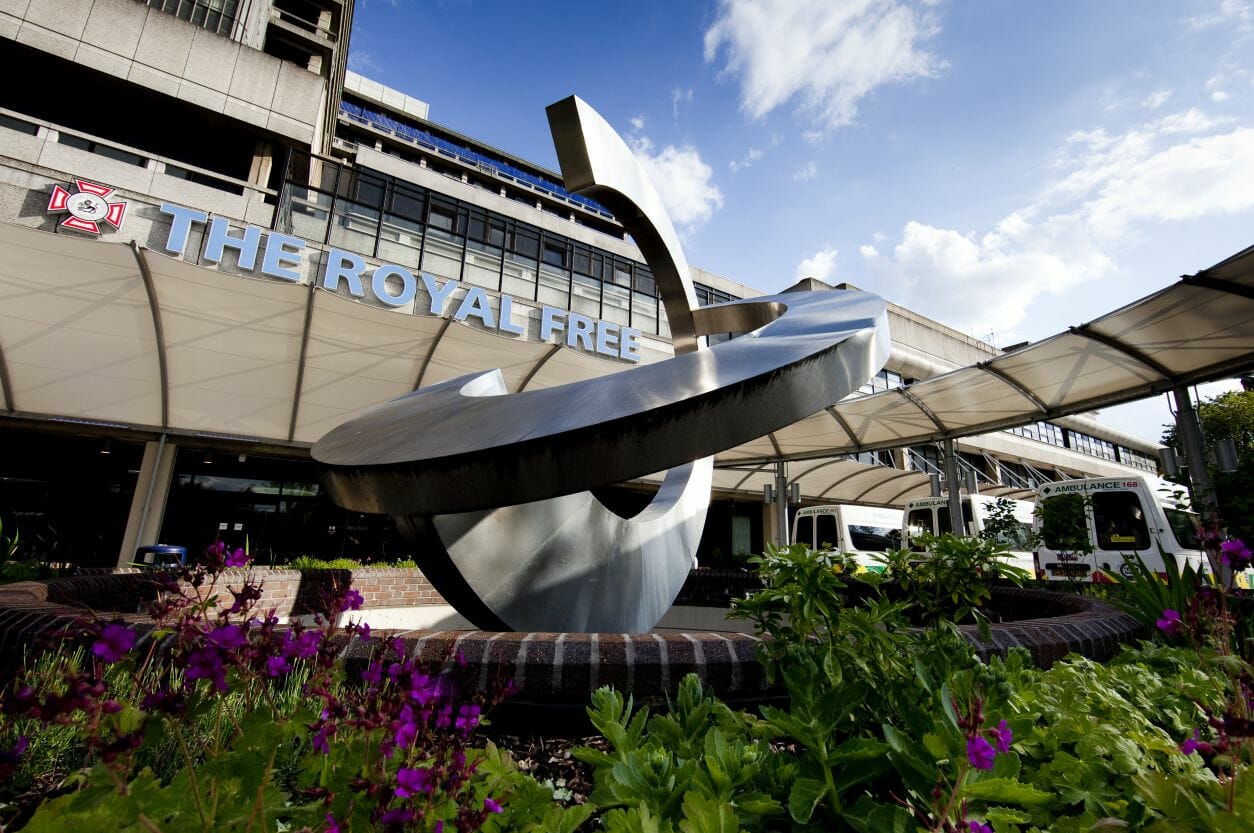
Our Aquablation therapy service is provided at the Royal Free Hospital, Hampstead.
Aquablation® therapy is a new minimally invasive treatment using robotic technology and a heat-free water jet to remove enlarged prostate tissue without needing a complex surgery.
Aquablation® therapy is a new minimally invasive treatment for lower urinary tract symptoms (LUTS) caused by benign prostatic hyperplasia (BPH). It is an alternative treatment to traditional surgical methods such as transurethral resection of the prostate (TURP) and Holmium Enucleation of prostate (HoLeP).
Using ultrasound-guided robotic-assisted technology, a heat-free waterjet removes excess prostate tissue. The procedure aims to relieve LUTS by precisely removing prostate tissue while protecting delicate areas, reducing the common side effects normally associated with prostate surgery.
Mr Leye Ajayi, Consultant Urological Surgeon, is responsible for developing the Aquablation® therapy at the Royal Free Hospital. He has vast experience in performing the procedure, with surgeons from UK and Europe attending his theatre sessions to gain insight into the technology.
Contact us Monday to Friday, 8am - 6pm:
Booking line: +44 (0) 20 4527 2993
Advantages and benefits
Studies on Aquablation® therapy have shown that advantages and benefits include:
- Preservation of sexual function: The procedure has a higher chance of preserving ejaculation and has a very low risk of erectile dysfunction.
- Lower complication rates: There is a lower risk of side effects compared to traditional treatments such as incontinence.
- Minimally invasive: The procedure is done endoscopically and does not require any incisions.
- Shorter recovery time: Many patients can go home within 48hrs and resume daily activities soon after.
- No limit to prostate size limits: The procedure can be used to treat prostates of any shape or size.
How the procedure works
1. Surgical planning: The surgeon uses an ultrasound-guided robotic system to create a personalized surgical map based to know which tissue to resect and preserve.
2. Treating the tissue: The heat-free water jet precisely removes the excess prostate tissue according to the surgical map, removing the tissue within the marked areas of the prostate, while the tissue outside remains untouched.
3. After treatment: Urine flows from the bladder, passing through the treated prostate and exiting the body. A temporary catheter is placed to help drain urine as you recover and is removed prior to discharge from hospital.
Risks and complications
All surgical procedures including Aquablation® therapy have a risk of complications including bleeding, infection, failure to pass urine, re-operation. These will be discussed with your consultant and our healthcare team during your initial consultation and prior to your procedure taking place.
Read patient success story
Meet our consultants
We work with leading experts who are all supported by the expertise of a multidisciplinary team. Our specialist team of doctors and surgeons includes:



Royal Free Hospital, Hampstead
The Private Patients Unit at the Royal Free Hospital is part of the NHS and is wholly owned by the Royal Free London NHS Foundation Trust.
We offer you access to some of London’s most experienced specialists, all of whom work as NHS consultants at our facilities.
Further information and support
Funding your treatment
Get immediate access to the care you need with self-funding or private health insurance.
Contact us
If you would like to contact another department within our hospitals.
Investing in the NHS
The NHS is an important part of what we do at Royal Free London which is why we reinvest our profits back into it. Our investment provides life-saving equipment and supports medical research to ensure better healthcare for all. Find out how we invest in the NHS.