
Chronic kidney disease treatment
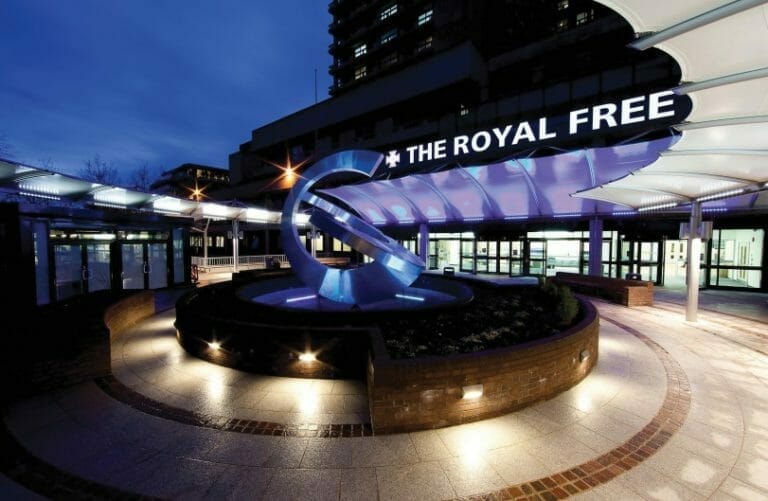
Our private Chronic kidney disease treatment services are provided at the Royal Free Hospital, Hampstead.
To find out more about our hospitals click here:
Conditions that cause kidney damage over longer periods of time include uncontrolled high blood pressure and uncontrolled diabetes. In fact, diabetes is the most common cause of Chronic Kidney Disease, or CKD. The best way to reduce the risk of developing CKD is to manage existing health conditions such as these. Treatment depends on the cause of the CKD, but it is often focused on preventing progression and managing symptoms, as well as stopping other complications such as heart problems developing. In addition, having a healthy diet, regularly exercising and stopping smoking can reduce the risk.
Symptoms of CKD often will only be noticed when it becomes advanced. As a result, it is often only picked up on urine or blood tests. If symptoms do occur, they include tiredness, nausea, swollen ankles or feet, or occasionally blood in the urine. Additionally, people may feel the need to urinate more often, and may have some difficulty sleeping.
CKD has different stages, which are determined based on a combination of kidney function blood tests. Stage 1 is kidney disease with normal kidney function, while Stage 2 has mildly impaired kidney function. Both Stage 1 and 2 are usually managed by GPs; this mainly involves annual monitoring of blood and urine tests, and ensuring good blood pressure control. There are a small proportion of patients who will need further tests to check the risk of more serious kidney problems.
In Stage 3, there is further impairment of kidney function, and the GP may consider referral to a specialist kidney doctor. Only a small percentage of patients with CKD will progress to Stage 4 and 5, in which kidney function is severely impaired. This very severe damage is often called kidney failure or renal failure. For some people, the only permanent way to treat this is with a transplant. As waiting lists for transplant are often long, alternative methods such as dialysis can be suitable for some people as a way of replacing the function of the kidney.
What we offer
Here at the Royal Free Hospital Private Patients Unit (PPU), we are proud to offer access to leading specialists in renal medicine who work within an experienced multidisciplinary team. We are dedicated to delivering the highest standards of care to our patients. We offer access to a wide range of expertise for the management of CKD and related conditions. We also have a fully-equipped dialysis unit, one of the largest in the UK.
Our dedicated renal medicine team are experts in their field and have many years of experience treating kidney failure at the leading kidney units within the UK. Our consultant team have a range of specialist interests, including kidney transplantation, managing critical illness, chronic renal failure and kidney problems in pregnancy.
We are committed to reinvesting all the profits from our private services directly back into NHS services. We deliver the professional excellence you would expect from a top London NHS teaching hospital with the convenience, comfort and personalised attention of a private hospital.