Osseointegration
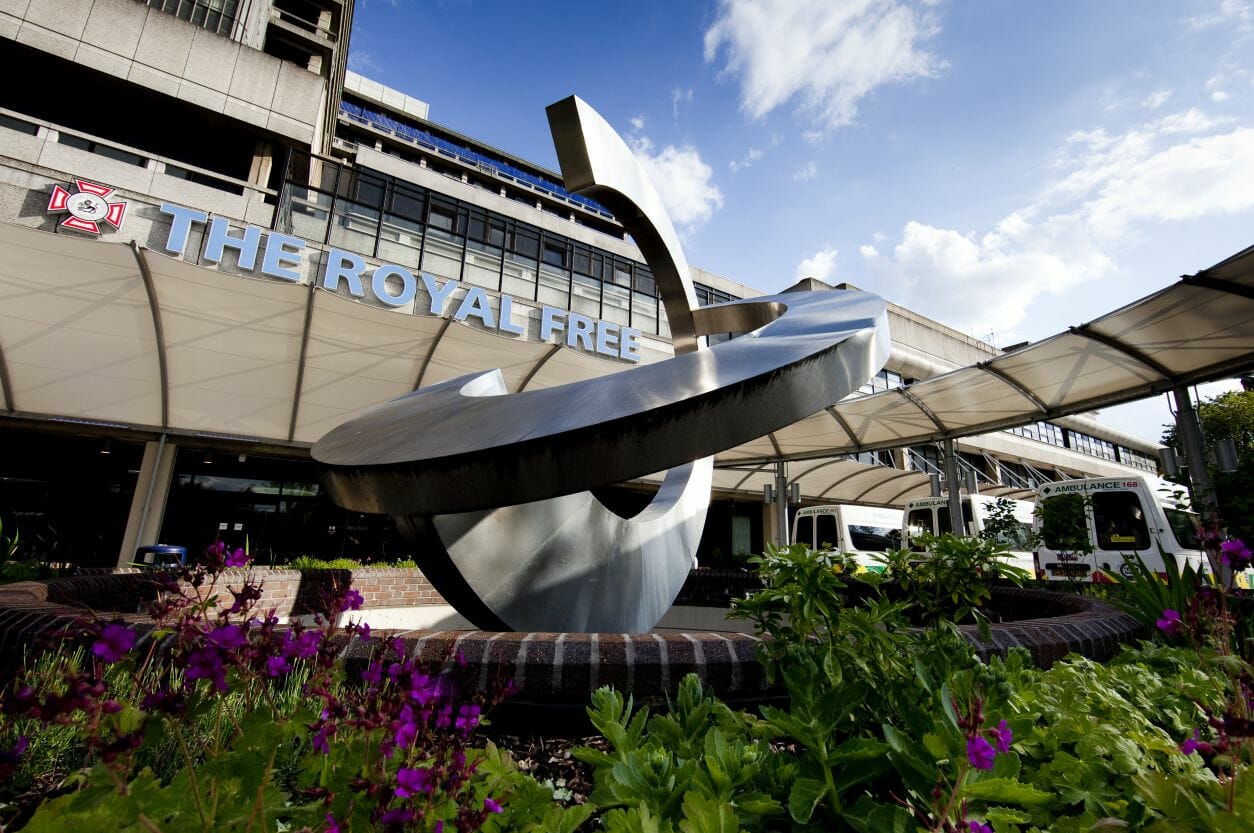
Our private Osseointegration services are provided at the Royal Free Hospital, Hampstead.
Our private osseointegration is provided by Relimb™.
Relimb™ was set up in 2018 to provide an amputee surgery reconstruction service for patients based in the UK and abroad.
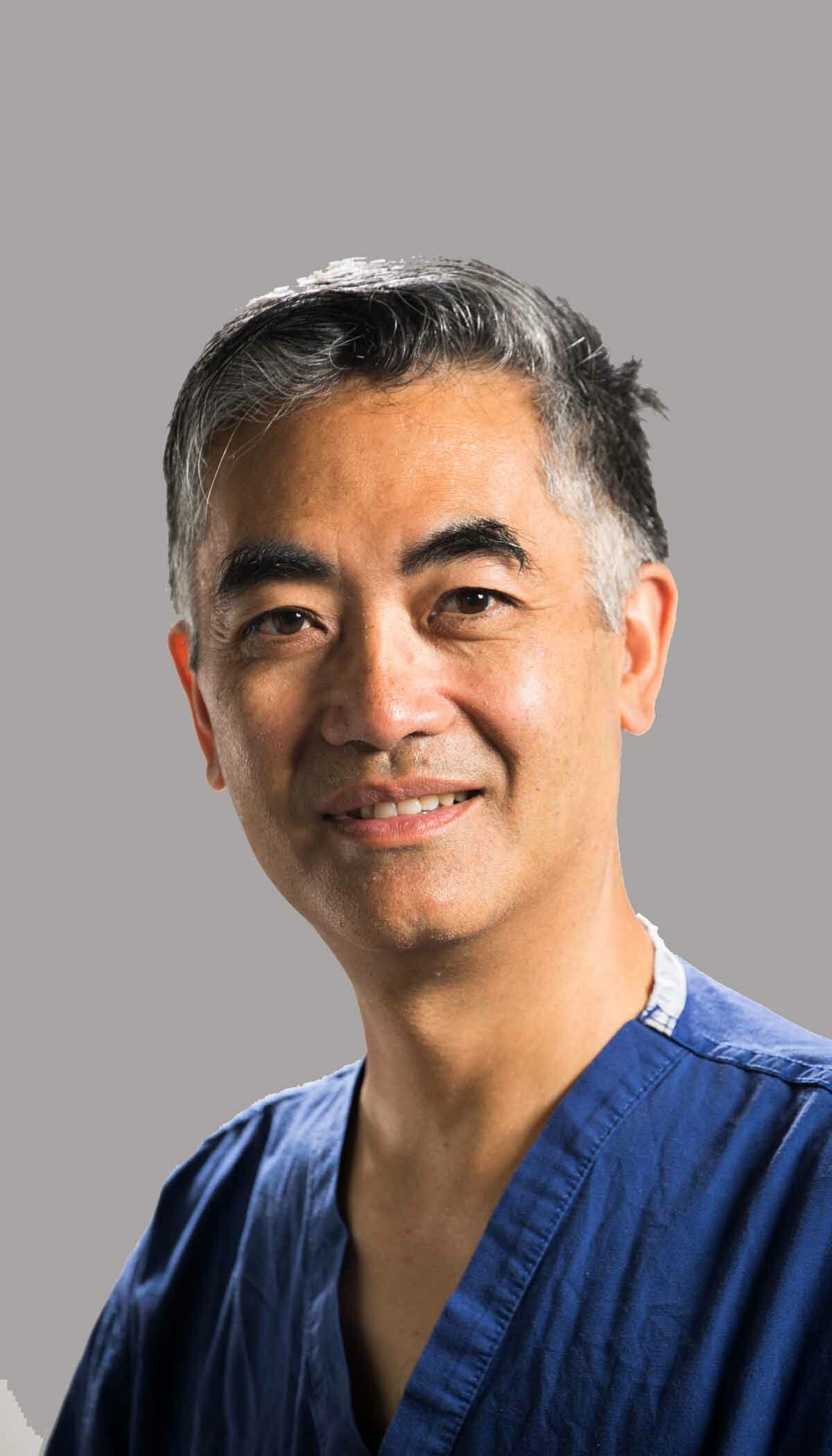
Relimb™ is based at the Royal Free London Hospital and is part of the private patients’ unit (PPU). At its core, the Relimb™ team is led by plastic surgeons Mr Norbert Kang and Mr Alex Woollard, who work in close partnership with Professor Munjed Al-Muderis who is based in Sydney, Australia. Professor Al-Muderis has been a major figure in the field of osseointegration surgery since 2010. He is credited with taking a surgical technique that was still considered experimental and making it routine.
Relimb™ recognises the critical importance of an MDT approach to the treatment of amputees to achieve the very best outcome and we are proud to work with prosthetists, orthotists, physiotherapists, rehabilitation physicians, psychologists, orthopaedic surgeons, engineers and scientists who all contribute equally to achieve our shared aims. These team members are mainly based in the UK and we rely on all of them to support our patients both before and after amputee surgery.
To learn more about Relimb™ please click here.
Contact us Monday to Friday, 8am - 6pm:
Booking line: +44 (0) 20 4527 2993
What we offer
For some patients, fitting a prosthetic limb or body part in the traditional way, using a socket (for upper or lower limb amputees) or skin-adhesives (for facial prosthetics), can be just too difficult to manage. These patients may benefit from advances in Prosthetic Reconstruction using a surgical procedure called osseointegration. Osseointegration itself is a biological phenomenon whereby a metal implant becomes permanently attached to the human skeleton. Importantly, part of the implant projects through the overlying skin and it is this part that provides the means for securing an external prosthesis to the body. Because the osseointegrated implant is permanently fixed to the bone, any prosthesis attached to the implant is also anchored to the bone (we call this direct skeletal fixation or DSF) making it easier to secure the prosthesis.
At the Royal Free Private Patients Unit, our world class plastic surgery team are experienced in inserting osseointegrated implants into the residual bone of both upper and lower limb amputees and patients who have sustained loss of their body parts from the head and neck area (e.g. the face). Most surgery is done in a one-stage, under general anaesthesia.
To find out more about what our surgeons may be able to offer you, please follow the links to the Relimb™ website
If you are an amputee, then having an osseointegrated implant placed into your residual limb by the Relimb™ service may be an effective way of improving your ability to use a prosthesis to improve your quality of life.
At surgery, a titanium implant is inserted into the bone of your residual limb (e.g. femur) and part of the implant is passed through the overlying skin. Over a period of weeks/months following the surgery, the bone around the implant forms a chemical bond to the metalwork. This means that the implant will not move or loosen when you attach your prosthesis to the implant allowing it to behave as a solid anchor. Using osseointegration to secure a prosthesis to your residual limb has many advantages. It will allow you to regain a greater range of movement in the remaining joint. It will make it easier for you to put-on or take-off the prosthetic limb because fixation of the prosthesis does not require the use of a socket or straps. It will be more comfortable for you to wear the prosthesis for long periods (e.g. the whole day) compared with a conventional socket-secured prosthesis. It will make it easier for you to walk for long distances (lower limb) or to hold objects for long periods (upper limb). The direct connection of the prosthesis to your residual skeleton (via the bone-anchor) will provide you with feedback which will help you to feel like the prosthesis is part of your body just like your normal limb used to feel. Such feedback is absent when using a conventional, socket-secured prosthesis. Using an osseointegrated implant to secure your prosthesis will help you to overcome most of the pain related to using a socket. This combination of advantages means that you will be able to recover much more of your former quality of life compared with a patient who is forced to use a conventional, socket-secured prosthesis.
Osseointegrated implants can also be used in other situations and not just after loss of a limb. Osseointegrated bone-anchors can be used as a secure point of fixation for any prosthesis including those used to replace an eye, nose, ear, part of the face or even to secure a prosthetic breast after mastectomy. The main reason for wanting to use this approach for reconstruction is that the surgery to insert a bone-anchor is so much simpler compared with alternative methods of reconstruction. Therefore, recovery is also much quicker and easier than options which may involve moving tissues from other parts of your body (e.g. using a flap and cartilage/bone-grafts to reconstruct an ear for an autologous reconstruction). Importantly, the appearance of a silicone prosthesis can often look much more realistic than the outcome after an autologous reconstruction. This is especially true when the prosthesis is used to replace an ear or part of the face.
Nerve and Soft-tissue surgery
Although the emphasis of Relimb™ is to provide a bespoke, direct skeletal fixation (DSF) service for amputees, we are also able to provide patients with the entire range of surgical interventions needed by amputees. Not all amputees are suitable for, or wish to undergo, DSF surgery. Nevertheless, many amputees experience problems such as pain, poor socket-fitting due to changes in the shape and size of their stumps, skin ulcers, bony prominences, infections and many other issues which limit their ability to mobilise freely.
Nerve-related pain, such as neuroma and phantom limb pain, is another major source of pain for many amputees or multiply traumatised individuals. Relimb™ has extensive experience in the use of Targeted Muscle Reinnervation surgery to address both neuroma and phantom limb pain. Importantly, we are also able to utilise the entire spectrum of reconstructive plastic surgery procedures to deal with any soft-tissue problems which may be encountered by our patients in their quest to regain maximum quality of life.
Patient’s Success Stories
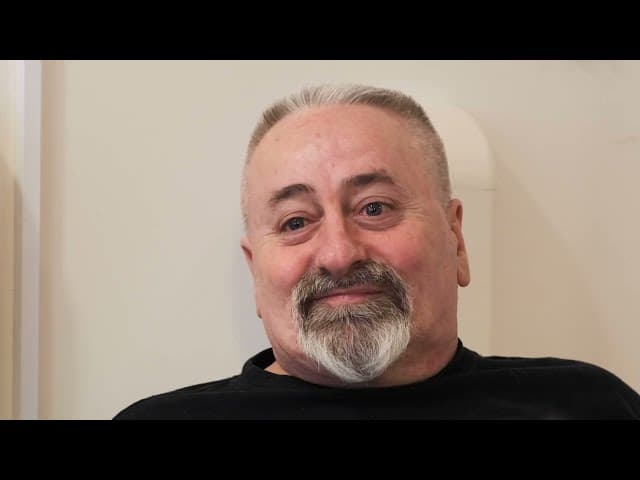
George Fodder’s Journey Part 1
George shares his experience of using a conventional prosthesis before osseointegration surgery
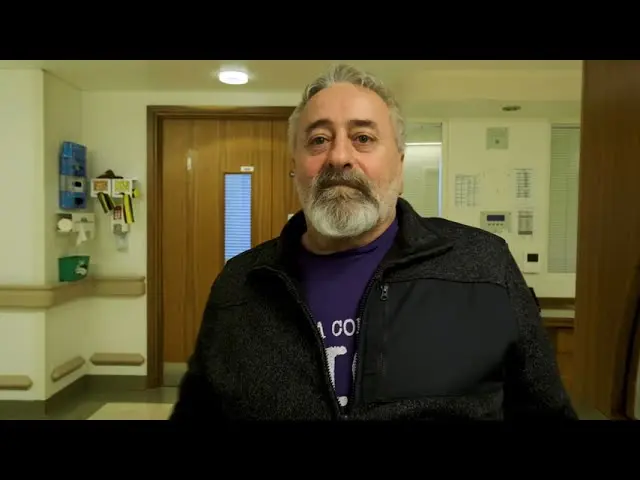
George Fodder’s Journey Part 2
George shares his experience of living with a lot more independence again after undergoing osseointegration surgery


Meet our consultants
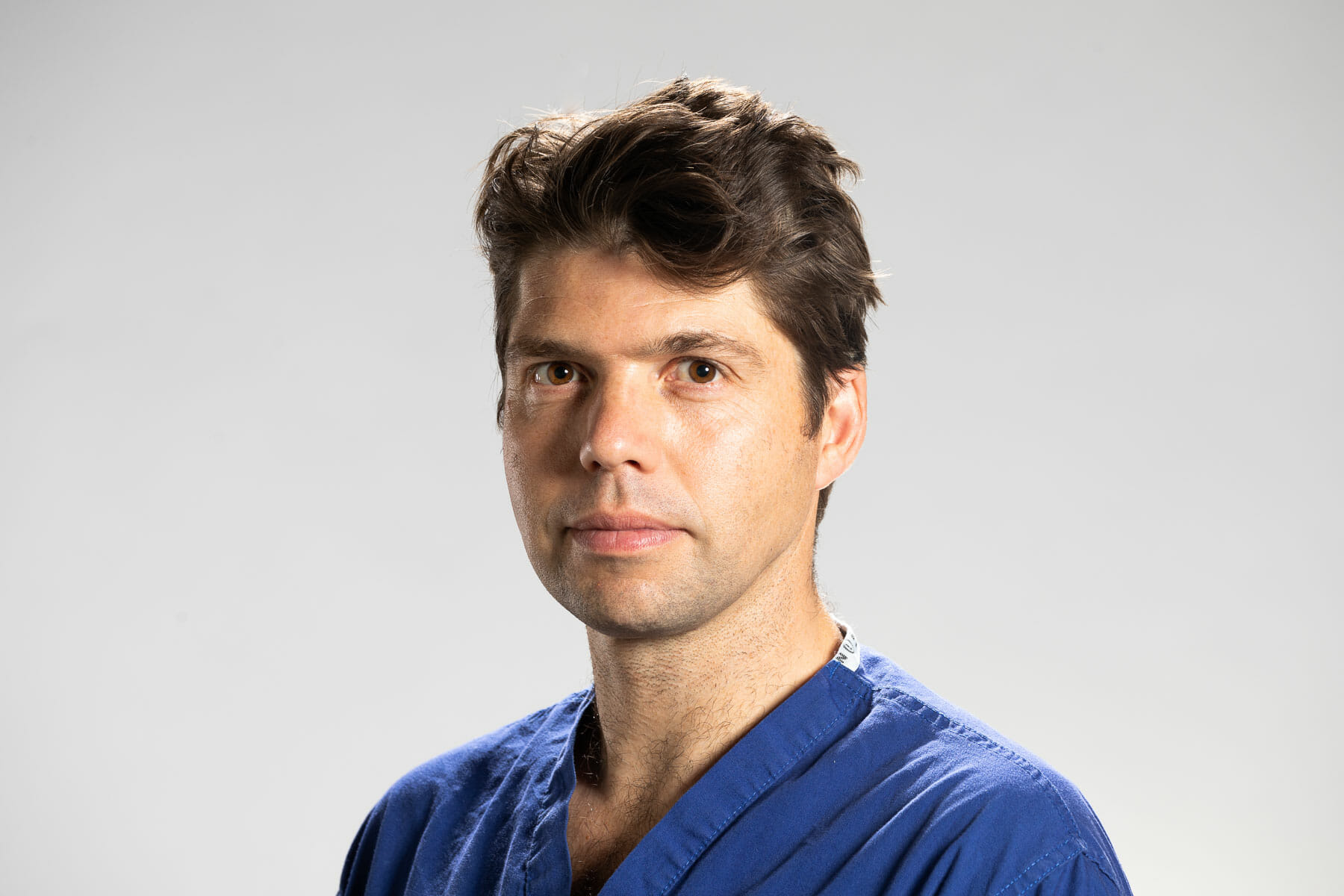
We work with leading experts who are all supported by the expertise of a multidisciplinary team. Our specialist team of doctors and surgeons includes:
Royal Free Hospital
The Private Patients Unit at the Royal Free Hospital is part of the NHS and is wholly owned by the Royal Free London NHS Foundation Trust. We offer you access to some of London’s most experienced specialists, all of whom work as NHS consultants at our facilities.
Further information and support
Funding your treatment
Get immediate access to the care you need with self-funding or private health insurance.
Contact us
If you would like to contact another department within our hospitals.
Investing in the NHS
The NHS is an important part of what we do at Royal Free London which is why we reinvest our profits back into it. Our investment provides life-saving equipment and supports medical research to ensure better healthcare for all. Find out how we invest in the NHS.